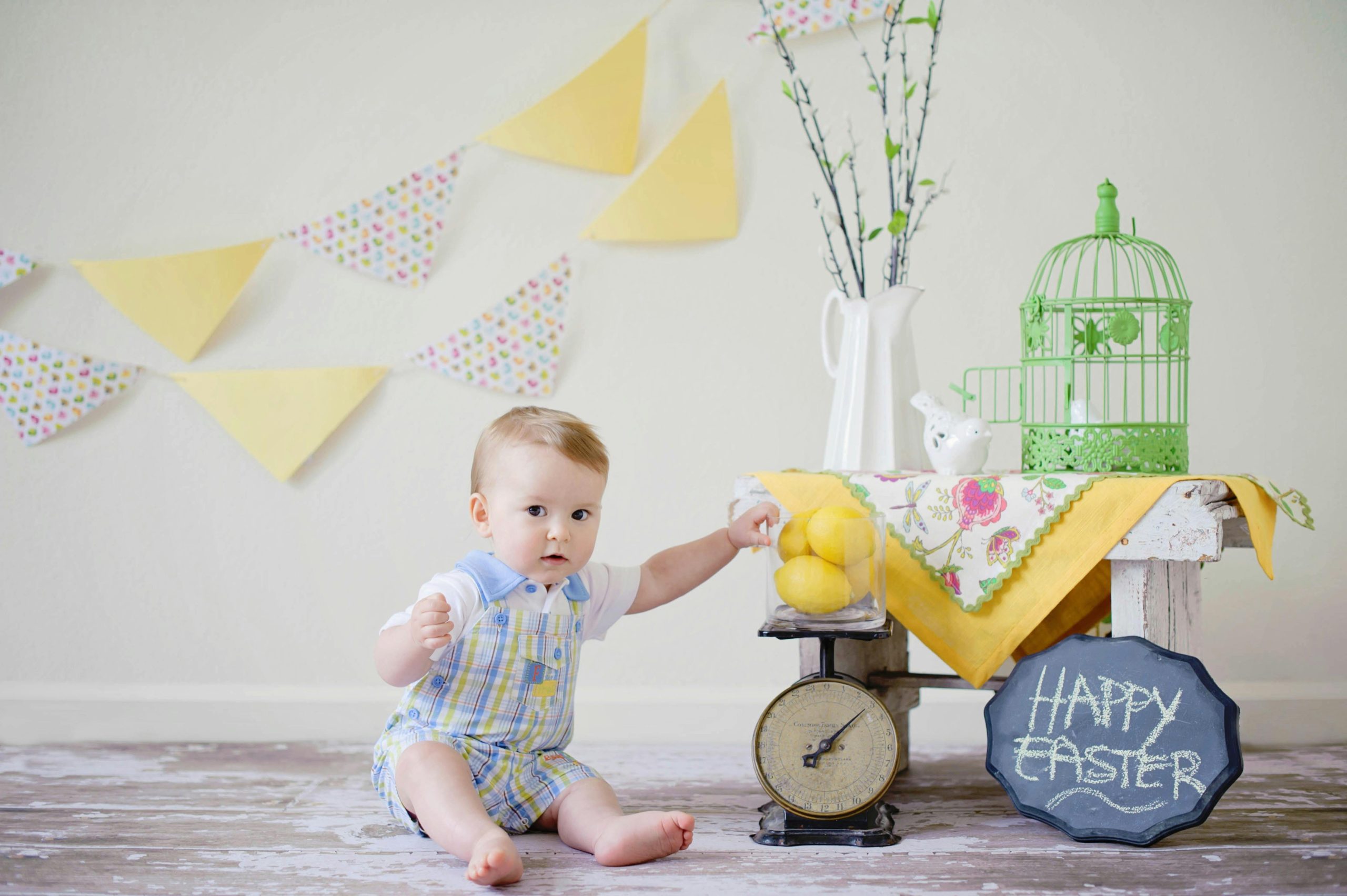
So, you’ve got a new boss. This one doesn’t care about quarterly reports, but is deeply, passionately invested in the precise texture of their pureed carrots and the existential horror of a dropped pacifier. They scream, they demand, and their “business meetings” often happen at 3 AM. Congratulations, you’re now a parent.
Welcome to the most rewarding, baffling, and hilarious job you’ll ever have. Here’s a field guide, from one shell-shocked recruit to another.
Phase 1: The Potato Era (0-6 Months)
The first few months are a jet-lagged blur. Your primary function is to be a mobile, self-warming buffet and a poop analyst. Yes, you will discuss bowel movements with your partner with the intensity of detectives solving a crime. “Was it seedy? Did it have a greenish hue? I’m telling you, this is a clue!”
Your baby communicates in a language of grunts, gurgles, and cries. You will become convinced that each cry has a specific meaning. The “I’m Hungry” cry is different from the “I’m Tired” cry, which is a close cousin to the “I’ve Just Remembered I Exist and It’s Terrifying” cry. You’ll try every trick: the jiggly bounce, the vacuum cleaner white noise (pro tip: there’s an app for that), the car seat ride around the block. Sometimes, the only solution is to wear them in a carrier and march around the house like a penguin guarding its egg. You are not crazy; you are a highly specialized piece of baby-calming equipment.
Phase 2: The Tiny Scientist (6-18 Months)
Just as you master the Potato Era, your child evolves. They discover gravity. This is a groundbreaking, Nobel Prize-worthy discovery for them. Spoon off the highchair? Fascinating! It falls down every single time! Let’s test it 47 times in a row! They are not trying to drive you mad; they are conducting crucial research.
This is also the age of mobility. They will army crawl, then proper crawl, and finally, walk directly towards the most dangerous, non-toy item in the room. Your house, once a home, is now a childproofing nightmare. You will find yourself saying things like, “No, we don’t lick the electrical outlet,” with a straight face. Mealtime becomes performance art. Squashed banana becomes hair gel, yogurt is a facial mask, and peas are projectiles. The dog becomes your best friend and most efficient clean-up crew.
Phase 3: The Negotiation Tornado (Toddlerhood)
Ah, toddlerhood. Where logic goes to die. Your sweet baby is now a tiny, passionate, and highly irrational lawyer who specializes in contract law concerning cookies and bedtime.
Their favorite word is “Why?”
You:”It’s time for bed.”
Them:”Why?”
You:”Because it’s dark outside, and our bodies need rest.”
Them:”Why?”
You:”So our muscles and brains can grow strong.”
Them:”Why?”
You:”…Because otherwise the sleep dragons will get us.” (Desperate times call for desperate measures).
You will negotiate over the number of blueberries on their plate, the color of their socks, and whether they can wear a Batman costume to a wedding. You learn to offer false choices to maintain the illusion of control. “Would you like to walk to the car like a dinosaur or a hopping frog?” It’s not manipulation; it’s strategic parenting.
Phase 4: The Philosopher King (Preschool & Beyond)
Their language explodes, and with it, their ability to ask questions that would stump a university professor.
“Where does the sky end?”
“If I eat a black bean,will I poop a black bean?”
“Why don’t you have a penis,Mommy?” (Best asked in a silent, crowded supermarket).
This is where you see the world through their wonderfully weird lens. A cardboard box is a spaceship, a castle, and a race car. A stick is a sword, a magic wand, and a back-scratcher for a giant. They teach you about imagination, and you teach them not to use the “magic wand” to hit their sibling.
The Golden Rules for Keeping Your Sanity
1. Lower Your Standards. The picture-perfect family on Instagram? Their living room is also a minefield of LEGOs. They just moved the mess to take the photo. It’s okay if you serve fish fingers for the third time this week. It’s okay if the house is messy. Survival is the goal, not perfection.
2. Find Your Tribe. Parenting in isolation is like trying to run a marathon with a backpack full of bricks. Find your people—the other parents at the playground, the mom group, the friend you can text a picture of a catastrophic diaper explosion to. They are your lifeline. They get it.
3. Laugh. A Lot. When your toddler paints the cat with yogurt, you have two choices: cry or laugh. Choose laughter. The mess will clean up, but the story will be told for years. Parenting is absurd. Embrace the chaos.
4. Trust Your Gut. You will be buried under an avalanche of advice from grandparents, books, and the internet. It’s overwhelming. Read it, listen to it, and then do what feels right for you and your tiny dictator. You know your child better than any expert.
In the end, the days are long, but the years are short. One day, you’ll miss the 3 AM cuddles, the sticky handprints on the windows, and the hilarious mispronunciations. So take a deep breath, stock up on coffee, and enjoy the wild, messy, and utterly magnificent ride. You’ve got this.
Leave a Reply