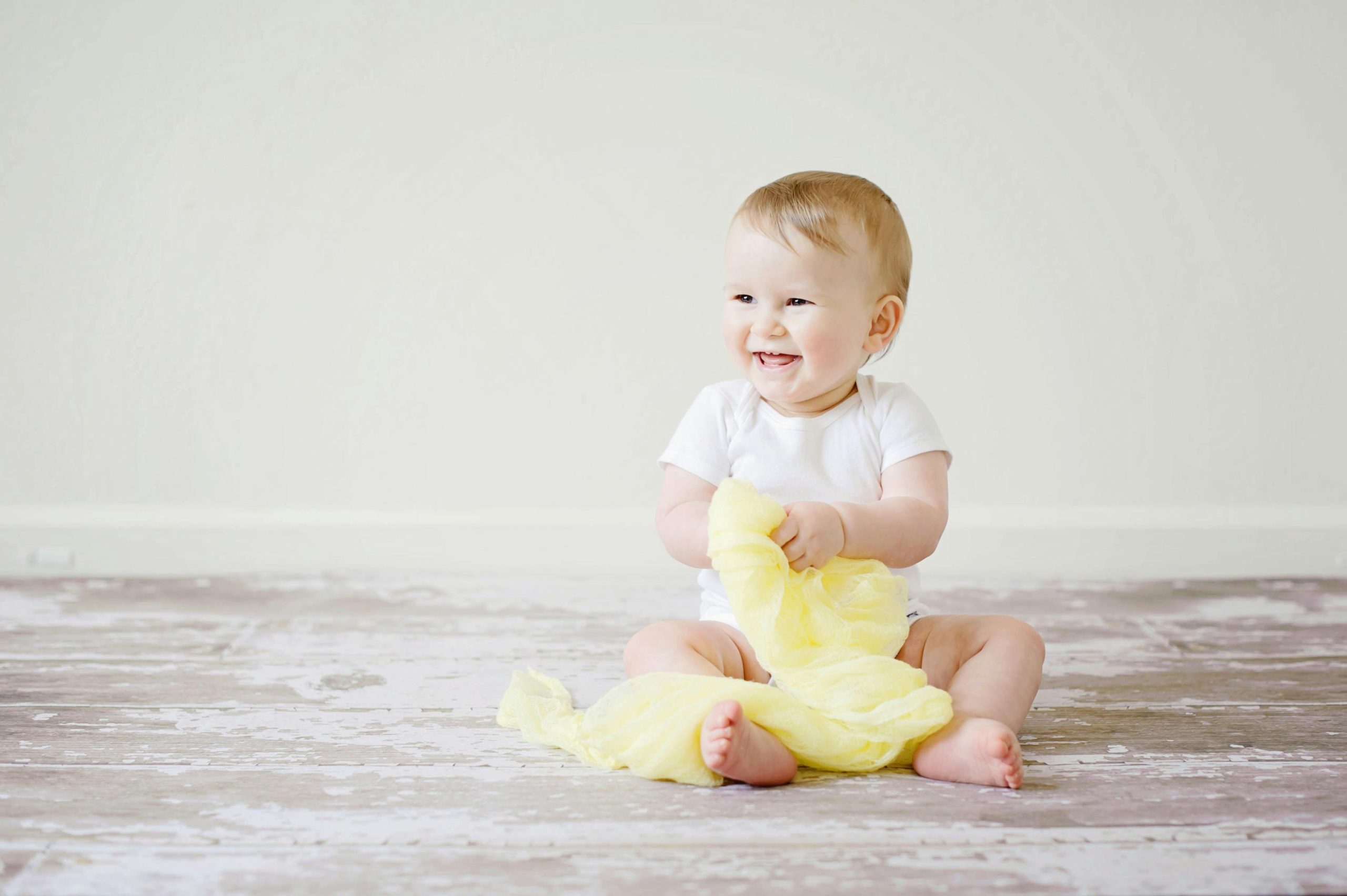
So, you’ve had a baby. Congratulations! Your life has now officially become a bizarre, round-the-clock performance art piece where you are the stagehand, the audience, and the frantic janitor. You’ve read the books, bought the gadgets, and now you’re realizing that the tiny, adorable CEO of your household operates on a logic system that would baffle a supercomputer.
Welcome to the club. Here’s what the glossy brochures didn’t tell you.
Chapter 1: The Newborn Haze – You’re Not Sleeping, You’re “Power Napping”
The first three months are less about parenting and more about a hazing ritual conducted by a tiny, inscrutable guru. Their needs are simple, yet delivered with the urgency of a five-alarm fire.
· The Decibel Dilemma: You will learn that a baby’s cry is a biological weapon. It’s engineered to trigger a primal panic in your brain, compelling you to perform a complex series of actions—rocking, shushing, jiggling, and sometimes interpretive dancing—to make it stop. Pro tip: White noise is your new best friend. It’s like a noise-cancelling headset for your infant, drowning out the terrifying sound of… silence.
· The Diaper Change Olympics: This is a sport. You must be fast, precise, and prepared for surprises. Just when you think the coast is clear, your baby will demonstrate a newfound understanding of projectile physics. Always, and we mean always, have the new diaper unfolded and ready under the old one. It’s the tactical diaper shield. You’re welcome.
· Sleep is for the Weak (and the Childless): You will exist in a state of perpetual jet lag. The concept of an 8-hour stretch of sleep will become a mythical legend, like Atlantis or a clean car. Embrace the chaos. Coffee is no longer a beverage; it is an intravenous lifeline.
Chapter 2: The Toddler Tornado – Tiny Drunk Bosses on the Loose
Once your baby becomes mobile, you don’t have a child; you have a miniature, emotionally unstable CEO who is obsessed with destruction and has a baffling agenda.
· The Art of the Tantrum: A toddler’s tantrum is a masterclass in dramatic performance. The trigger could be anything: you cut their toast into triangles instead of squares, a leaf blew away, or gravity continued to exist. Do not try to reason with the tornado. Your job is to be a calm, boring anchor in their storm of feelings. Sometimes, the best response is to sit nearby and narrate their feelings with the solemnity of a golf commentator. “And he’s on the floor. The injustice of the blue cup is simply too much to bear.”
· The Culinary Conundrum: Your child, who yesterday ate an entire bowl of broccoli, will today look at an identical piece of broccoli as if you have just served them a plate of ground-up crickets. Their food preferences change faster than a trending hashtag. The key is to offer a variety of foods without turning mealtime into a negotiation with a tiny terrorist. Remember the mantra: “You provide the what and when, they decide the if and how much.” Also, ketchup is a food group. Accept it.
· The “Why”-pocalypse: Get ready. The questions are coming. “Why is the sky blue?” “Why do dogs bark?” “Why can’t I live in the dishwasher?” This is not a quest for knowledge; it is a test of your sanity and your ability to Google things quickly. Sometimes, the best answer is a confident, “Well, that’s a great question. What do you think?”
Chapter 3: The School-Age Sage – They’re Smarter Than You Now
Your child can now talk, reason, and brutally point out your flaws in public. This is the age of profound questions and embarrassing honesty.
· Social Dynamics 101: Your child’s social life is now a complex ecosystem of best friends, frenemies, and playground politics. You will be required to host playdates, which are essentially miniature UN summits where the main topics are sharing and who got the better juice box. The goal is to facilitate, not to solve. Let them navigate their own social squabbles (within reason). It’s how they learn.
· The Homework Wars: Suddenly, you are expected to remember fourth-grade math, a subject you haven’t thought about since the Clinton administration. The key is to be a guide, not a dictator. Create a consistent routine, provide a quiet space, and offer help, but resist the urge to just give them the answers. Also, it’s okay to admit, “I don’t know, let’s look it up together.” It models lifelong learning and saves you from trying to remember what a gerund is.
· Fostering Independence (Without Losing Your Mind): This is the time to hand over the reins, bit by bit. Let them make their own lunch (even if it’s just a peanut butter sandwich). Let them fail a little. Let them forget their permission slip and face the natural consequence. It’s agonizing to watch, but it’s the only way they learn to be capable adults who don’t expect you to email their boss for them one day.
The Grand Finale: You’re Doing Better Than You Think
Here’s the ultimate secret, the one piece of parenting knowledge that trumps all others: There is no perfect way to do this.
You will make mistakes. You will lose your temper. You will, on at least one occasion, hide in the bathroom to eat a candy bar in peace. This does not make you a bad parent; it makes you a human one.
Your child doesn’t need a perfect, Pinterest-ready parent. They need a present, loving, and reasonably-sane one. They need someone who reads the same book for the hundredth time, who kisses boo-boos, who dances in the kitchen, and who loves them fiercely, even on the days they act like feral raccoons.
So take a deep breath. Embrace the beautiful, chaotic, weird mess of it all. You’ve got this. Even when you’re pretty sure you don’t.
Leave a Reply